

Introduction to Bangkok Airways
Bangkok Airways is a Thailand-based airline operating primarily in the Southeast Asian region. Established in 1968, it has positioned itself as a carrier offering regional connectivity with a focus on quality service and access to secondary airports not always served by larger carriers. Often referred to as “Asia’s Boutique Airline,” Bangkok Airways aims to provide a travel experience that combines convenience, comfort, and personalized service within its network.
A typical Bangkok Airways service overview highlights the airline’s role in connecting major Thai cities such as Bangkok, Chiang Mai, and Phuket with international destinations across Southeast Asia, including Singapore, Myanmar, and Cambodia. Unlike low-cost carriers, Bangkok Airways integrates a mix of regional routes and premium services into its operations.
Overview of How Bangkok Airways Works
Understanding how Bangkok Airways works involves examining its operational model, booking systems, and in-flight service structure.
Flight Network and Booking
Bangkok Airways operates a combination of domestic and regional flights, focusing on short to medium-haul routes. Travelers can book flights directly through the airline’s official website, via authorized travel agencies, or through online travel platforms. Booking systems allow passengers to select flights, manage reservations, and access ticketing information digitally.
Class Options and Fare Types
While the airline primarily operates economy-class flights, it also offers premium economy or “Business Class” options on select routes. Fare structures include varying levels of flexibility, baggage allowance, and additional perks depending on the chosen ticket.
Boarding and Check-In
Passengers can check in at airport counters, self-service kiosks, or via online check-in tools. Bangkok Airways typically operates from both major and regional airports, with dedicated lounges for premium-class travelers at select hubs.
Regional Connectivity
A core aspect of the airline’s operation is providing access to secondary airports. This strategy allows travelers to reach destinations closer to tourist regions or business centers without relying solely on major international airports.
Types of Users and Common Use Cases
A Bangkok Airways platform review shows that the airline serves a diverse range of passengers depending on travel purpose and route.
Leisure Travelers
Tourists visiting Thailand’s popular destinations, such as Koh Samui, Phuket, Chiang Mai, and Krabi, often rely on Bangkok Airways for domestic travel and regional connections. The airline’s route network frequently aligns with vacation itineraries and resort access.
Business Travelers
Business travelers utilize Bangkok Airways for domestic and regional travel between economic centers in Southeast Asia. Business-class services, priority boarding, and lounge access are particularly relevant for this user segment.
Regional Transit Passengers
Due to its focus on connectivity within Southeast Asia, Bangkok Airways also serves as a transit option for travelers connecting between smaller regional airports. This can reduce travel time compared with routing through larger hubs.
Niche Travelers
The airline’s boutique positioning, including personalized service and access to secondary airports, appeals to travelers seeking a more intimate and service-oriented experience than that offered by some larger carriers.
Key Features and Service Elements
Several elements define the Bangkok Airways service experience:
Boutique Service Concept
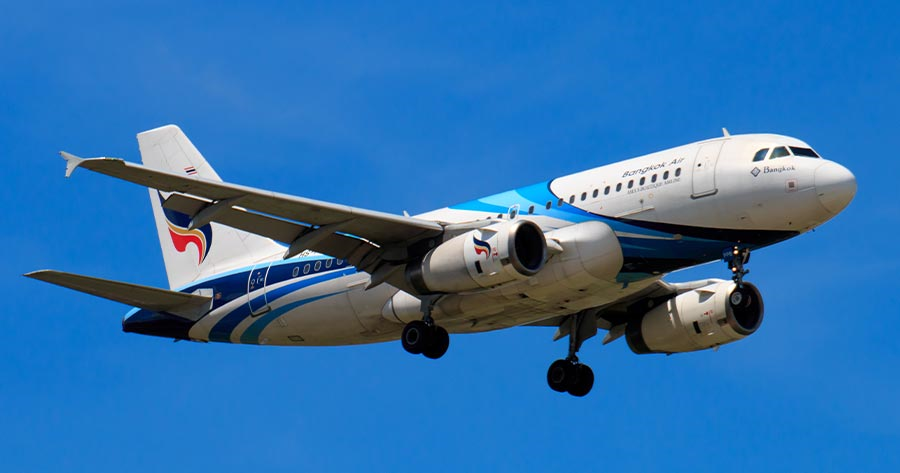
The airline markets itself as “Asia’s Boutique Airline,” emphasizing a personalized travel experience, attentive service, and comfort-focused amenities on both short and medium-haul flights.
In-Flight Experience
Bangkok Airways provides complimentary meals, beverages, and entertainment options on select flights. Seating arrangements, especially in premium sections, are designed for enhanced comfort on regional journeys.
Lounges and Priority Services
At select airports, premium passengers can access Bangkok Airways’ lounges, which offer amenities such as refreshments, workspaces, and relaxation areas. Priority boarding and check-in services are also provided for certain fare classes.
Frequent Flyer and Loyalty Programs
The airline offers a loyalty program called FlyerBonus, which allows members to accumulate points from flights and redeem them for rewards, upgrades, or additional services.
Regional Hub Strategy
Bangkok Airways operates from hubs such as Bangkok’s Suvarnabhumi Airport, Phuket International Airport, and Koh Samui Airport. This strategy facilitates direct connections to leisure and business destinations within Thailand and neighboring countries.
Market Positioning
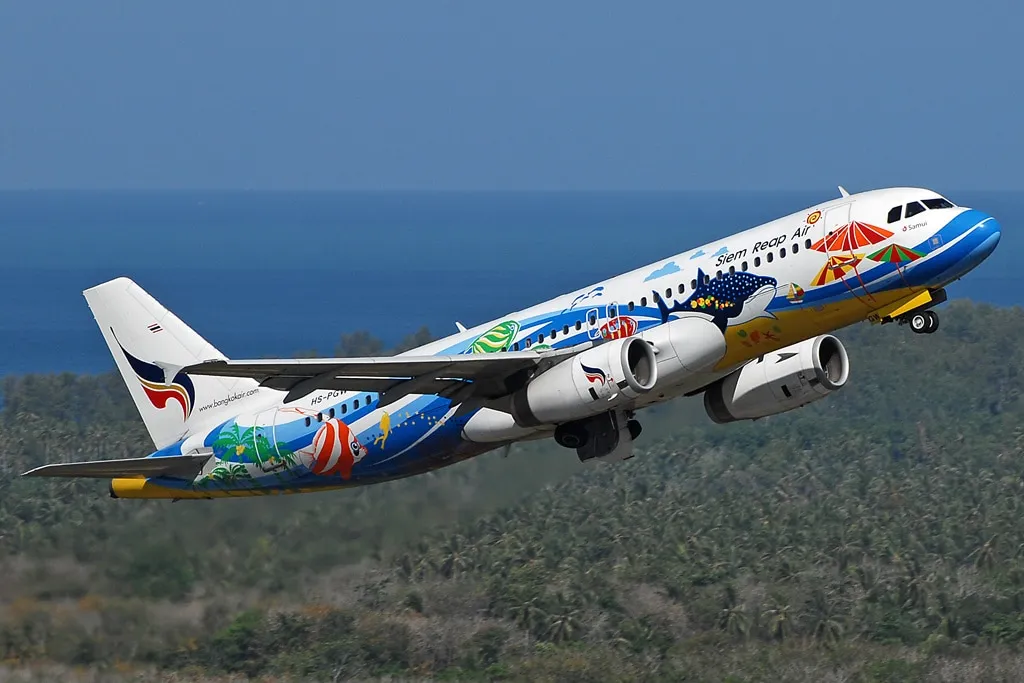
In the regional aviation market, Bangkok Airways occupies a niche between low-cost carriers and full-service international airlines.
Compared to low-cost carriers:
Bangkok Airways differentiates itself by offering complimentary in-flight services, access to lounges, and a more personalized travel experience rather than relying solely on cost leadership.
Compared to full-service international carriers:
While full-service carriers may offer broader international networks, Bangkok Airways specializes in regional connectivity and access to secondary airports, creating convenience for travelers visiting domestic destinations or neighboring countries.
This positioning has contributed to the airline’s reputation as a boutique regional carrier, appealing to travelers who value comfort, convenience, and attentive service on short and medium-haul routes.
