

Overview of the Brand’s Role in Tech and Digital Solutions
ELEGOO is a technology company known for developing tools that support hands-on innovation in areas such as electronics prototyping, 3D printing, and STEM education. Founded in 2015 in Shenzhen, China, the brand emerged with the goal of providing accessible hardware and learning platforms for makers, students, and engineers exploring digital fabrication and electronics projects.
The name “ELEGOO” reflects a combination of electronics and large-scale numerical possibilities, symbolizing the creative potential of programmable devices and 3D printing technologies.
Within the broader technology ecosystem, ELEGOO occupies a space focused on maker culture and practical learning tools. Its products are frequently used in educational settings, personal workshops, and small engineering labs where users experiment with hardware and software to create prototypes or learn programming and electronics.
In discussions about emerging maker technologies, an “ELEGOO digital tools review” often highlights the brand’s emphasis on accessibility—tools that enable individuals to design, print, or program functional objects without requiring large industrial systems.
Core Products and Technology Platforms
ELEGOO’s technology portfolio covers several product categories that support digital fabrication and electronics experimentation.
3D Printers
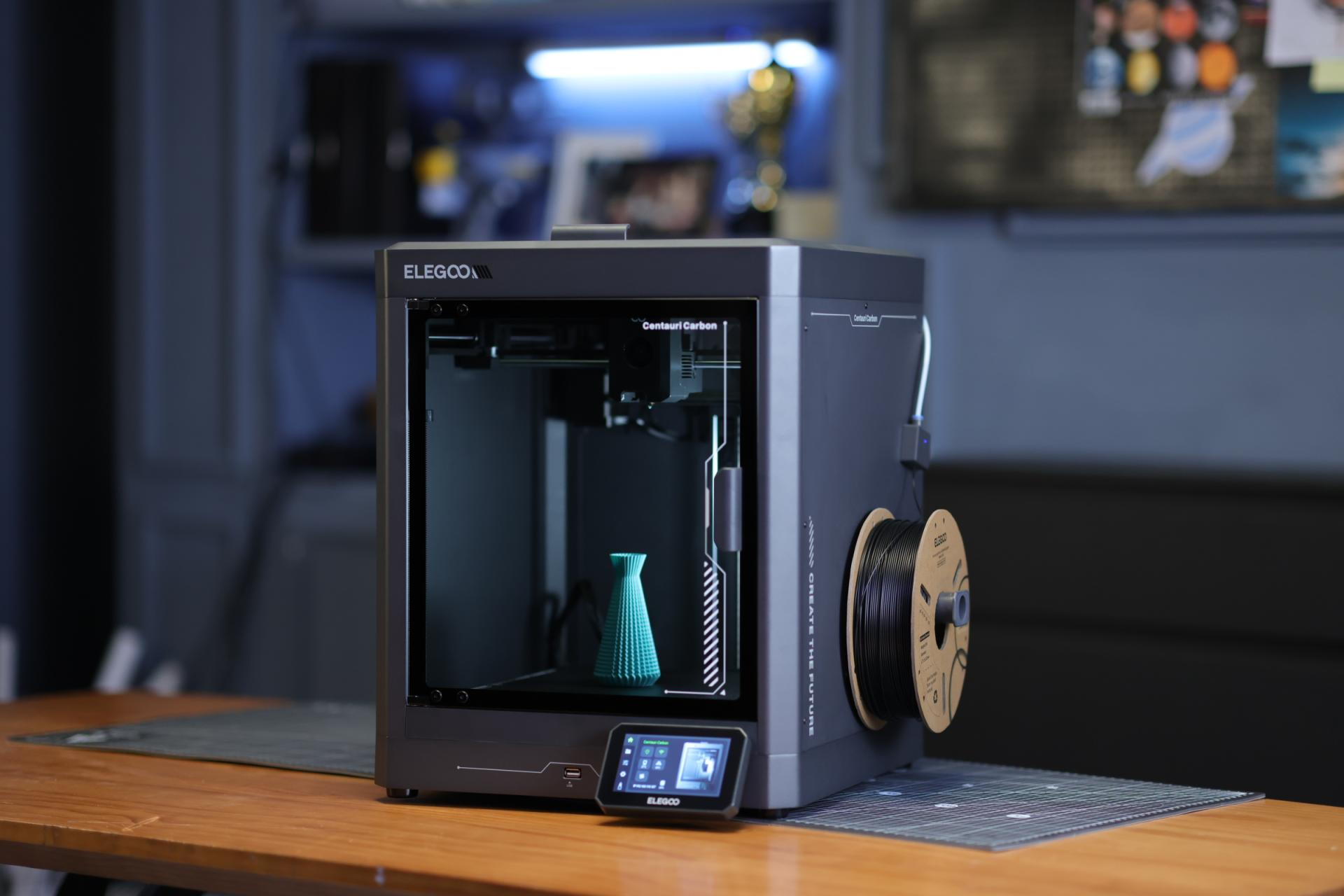
One of the company’s most widely recognized product lines is its range of desktop 3D printers. These machines allow users to create physical objects from digital models through additive manufacturing.
Popular categories include:
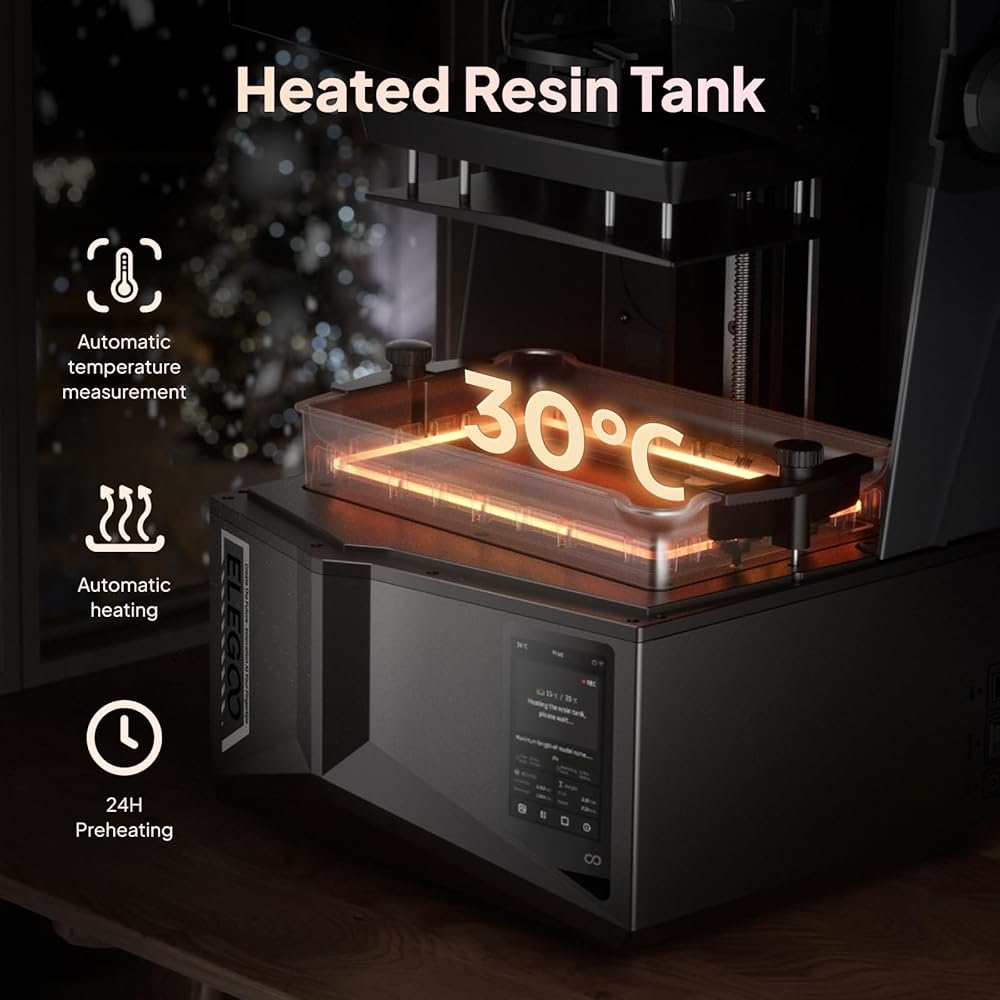
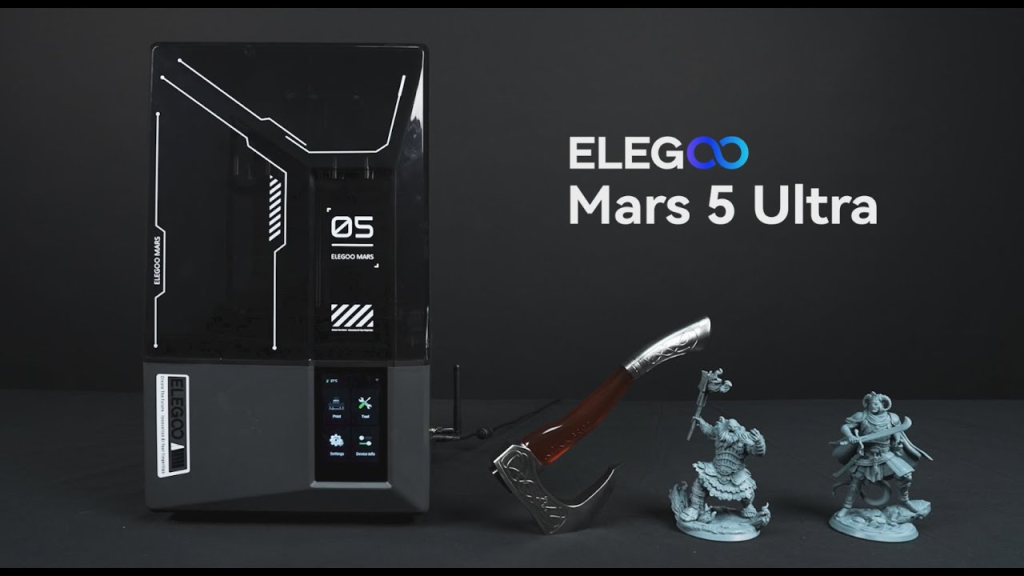
- Resin (SLA/LCD) 3D printers for detailed prints and small-scale objects
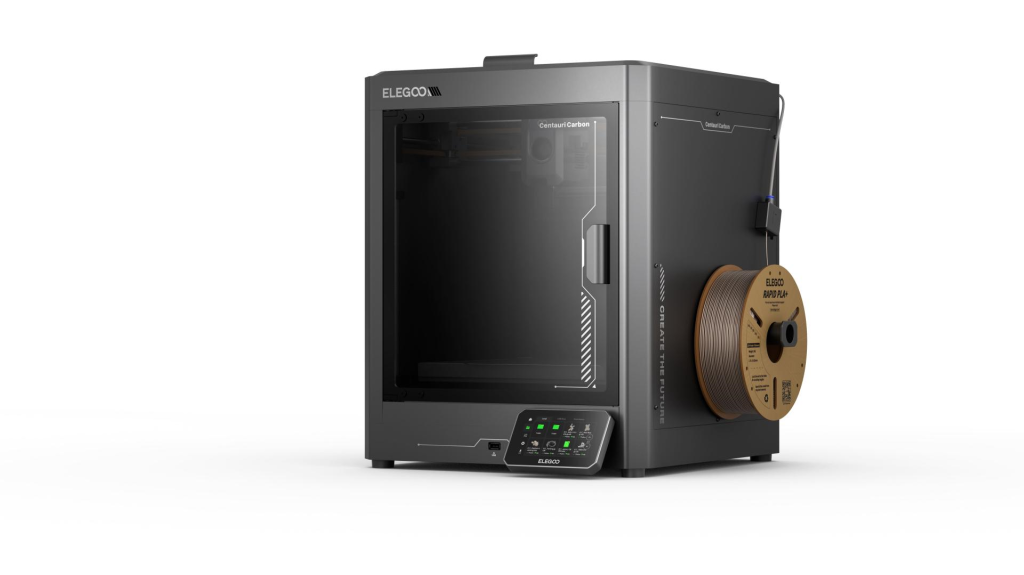
- FDM filament printers designed for larger prototypes and everyday parts
- CoreXY high-speed printers for more advanced printing environments
Resin printers such as the Mars series rely on UV light to cure liquid photopolymer resin into precise layers, enabling fine detail and smooth surfaces.
Electronics and Microcontroller Kits
Another core segment includes electronics learning kits compatible with open-source hardware ecosystems such as Arduino IDE.
These kits typically include:
- Microcontroller boards
- Sensors and actuators
- Breadboards and wiring components
- Step-by-step tutorials for coding and circuit design
The hardware is generally compatible with Arduino software and code libraries, allowing users to program interactive devices and control electronics through uploaded code.
Materials and Accessories
ELEGOO also produces accessories used alongside fabrication tools, including:
- 3D printing resins
- PLA and specialty filaments
- Replacement components and maintenance parts
These materials enable users to complete projects within a single ecosystem of compatible hardware and supplies.

Key Features and General Functionality
An “ELEGOO software features overview” typically focuses on how the company’s hardware interacts with digital tools used in design, slicing, and programming workflows.
3D Printing Software Integration
3D printing workflows often involve several stages:
- Designing a model in CAD software
- Converting the model into printable instructions using slicing software
- Sending the instructions to the printer
ELEGOO printers commonly work with slicer applications such as ChiTuBox, which converts 3D models into layer-by-layer instructions that the printer can execute.
Typical functionality includes:
- Adjustable layer resolution
- print speed and material settings
- support structure generation
- USB or network file transfer to printers
Microcontroller Programming
For electronics kits, programming is generally performed through microcontroller development platforms like the Arduino IDE. These tools allow users to write and upload code that controls hardware components such as LEDs, motors, and sensors.
Because the platform is open-source, users can experiment with existing libraries or build custom programs for robotics, automation, or smart devices.
Integrated Maker Ecosystem
ELEGOO’s ecosystem often combines digital fabrication and electronics development. For example, a project might involve designing a part, printing it on a 3D printer, and then integrating sensors or microcontrollers into the finished object.
This hybrid workflow reflects a broader maker movement in which digital tools are used to rapidly design and prototype real-world devices.
Typical Use Cases
Understanding what ELEGOO is used for requires looking at how different communities interact with the company’s hardware and tools.
STEM Education
Many schools and educational programs use ELEGOO kits to introduce students to programming and electronics. Starter kits often include tutorials that guide learners through circuits, coding basics, and interactive device construction.
These learning environments help students explore subjects such as:
- robotics
- embedded systems
- sensor technology
- engineering fundamentals
Hobbyist and Maker Projects
Hobbyists frequently use ELEGOO tools to build personal technology projects such as:
- custom electronic gadgets
- home automation prototypes
- DIY robotics
- mechanical parts created with 3D printing
Because the tools are relatively accessible and modular, they are often used in home workshops or maker spaces.
Product Prototyping and Small Businesses
Small design studios and entrepreneurs may use desktop 3D printers to prototype product ideas before moving to mass manufacturing. The ability to quickly iterate designs can shorten development cycles and reduce early production costs.
Educational Maker Spaces and Clubs
STEM clubs and community maker spaces often adopt ELEGOO hardware due to its compatibility with widely used open-source platforms and its role as a practical teaching tool.
Market Positioning in the Maker Technology Sector
Within the maker technology ecosystem, ELEGOO is often categorized as a consumer-level maker hardware provider.
The company’s positioning can be described through several characteristics:
Accessibility
Products are generally designed for beginners and intermediate users rather than industrial manufacturing environments.
Educational Focus
Many kits include structured tutorials and learning materials intended for self-teaching or classroom use.
Cost-efficient hardware
Compared with high-end professional fabrication equipment, ELEGOO devices are typically positioned in the affordable consumer technology range.
In the broader digital fabrication market, ELEGOO competes with other brands producing desktop fabrication tools and educational electronics kits. Its presence is especially visible among hobbyists and educational institutions exploring maker technologies.
Reference to Official Sources for Technical Specifications
For readers seeking detailed specifications or product documentation, technical information is usually available through the brand’s official resources and product pages.
These sources typically provide:
- hardware specifications
- firmware compatibility
- supported materials and components
- recommended software tools
- user manuals and tutorials
Because models and firmware evolve frequently, consulting official documentation can help ensure the most current technical details.
