

Introduction to the Rakuten Platform
Rakuten is a global technology company that operates a wide range of digital services spanning e-commerce, financial technology, digital payments, media, and telecommunications. Founded in 1997 in Tokyo, the company has grown from an online marketplace into a multi-service ecosystem that connects consumers, merchants, and digital platforms.
Today, Rakuten operates in numerous regions around the world and supports services that include online shopping marketplaces, digital wallets, rewards programs, and fintech products. Because of this broad structure, the company is often described as a digital ecosystem platform, where multiple services are connected through a shared membership and loyalty system.
In many online discussions, a “Rakuten service overview” focuses on how the platform integrates commerce, digital services, and rewards programs into a single user account. The brand is also widely known for its cashback and loyalty systems in several markets, which link purchases with reward points or rebates.
While the company’s services vary by region, Rakuten’s broader goal is to build a network of digital platforms where users can access shopping, finance, and media services within one ecosystem.

Overview of How Rakuten Works
Understanding how Rakuten works requires looking at the platform’s ecosystem structure. Rather than operating as a single product, Rakuten functions as a collection of services connected by a shared account system and loyalty program.
At a general level, the platform works through several key components.
1. Membership and Account System
Users typically create a Rakuten account that allows them to access multiple services across the company’s ecosystem. Once registered, the same account may be used across shopping platforms, payment services, and other digital products offered by the company.
The membership structure is designed to centralize user activity and reward participation across services.
2. E-Commerce Marketplace
One of Rakuten’s foundational services is its online marketplace platform. In this environment, independent merchants and brands list products while consumers browse, compare, and purchase items.
Unlike some retail models that operate as a single store, Rakuten’s marketplace functions more like a digital mall. Multiple sellers maintain their own storefronts while operating within the broader Rakuten platform.
3. Rewards and Cashback Programs
A significant part of the Rakuten ecosystem involves loyalty rewards. In several markets, purchases made through the platform may generate points or cashback credits that accumulate in the user’s account.
These rewards can sometimes be redeemed for future purchases or transferred through certain payment services, depending on regional program rules.
4. Financial and Payment Services
Rakuten also operates fintech services such as digital wallets, credit card programs, banking platforms, and payment gateways in various countries.
These services allow users to manage transactions, pay for purchases, or access financial tools within the same digital ecosystem.
5. Additional Digital Services
Beyond commerce and finance, Rakuten also operates services related to:
- digital media and streaming
- telecommunications and mobile networks
- advertising and marketing technology
- travel booking platforms
Because of this wide service network, many analyses describe the company as operating a “super-ecosystem” similar to large global technology platforms.
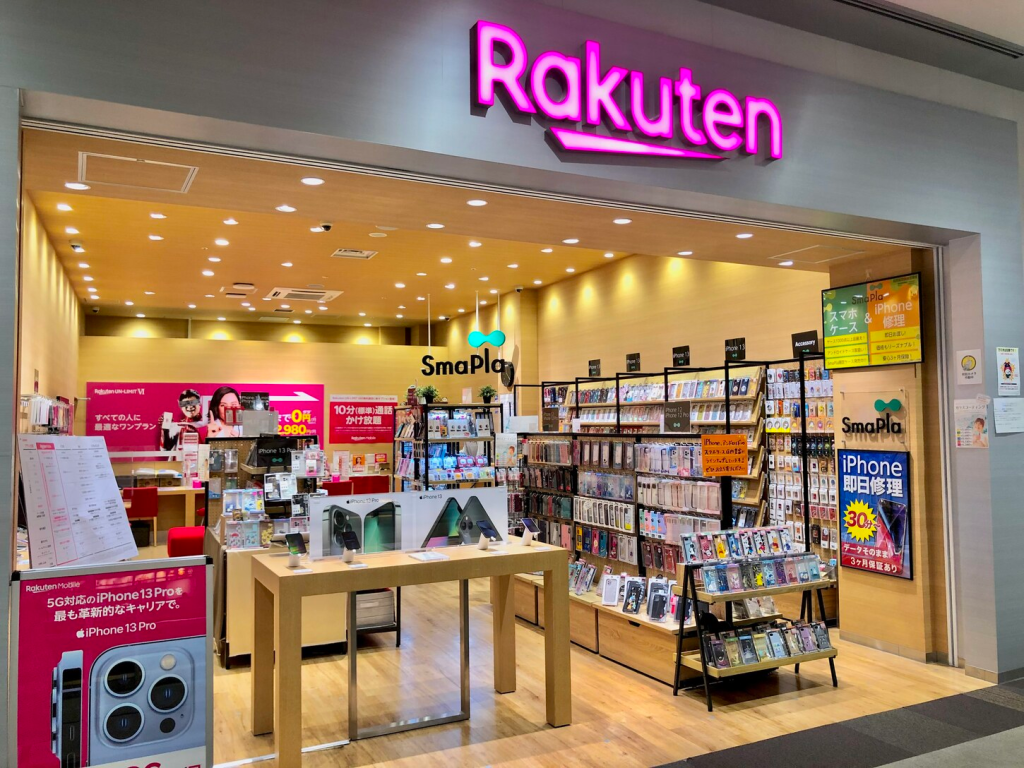
Types of Users and Common Use Cases
A “Rakuten platform review” often highlights the diversity of users who interact with the ecosystem. Since Rakuten combines multiple digital services, it attracts several different user groups.
Online Shoppers
Many users interact with Rakuten primarily as an online shopping platform. Consumers browse product listings, compare prices from different merchants, and place orders through marketplace storefronts.
The structure allows shoppers to explore a wide range of categories, including electronics, fashion, household items, and specialty goods.
Digital Rewards Participants
In regions where cashback or points programs are active, some users join Rakuten specifically to participate in loyalty or rewards systems. These users may access partner retailers through Rakuten portals in order to receive rebates or accumulate reward points tied to purchases.
Merchants and Retail Businesses
Businesses can also use Rakuten’s marketplace infrastructure to sell products online. Merchants manage their own digital storefronts, product listings, and pricing within the marketplace environment.
This structure provides an alternative e-commerce channel alongside independent websites or other online marketplaces.
Financial Service Users
In some markets, Rakuten operates services such as online banking, payment systems, or digital wallets. Consumers may use these platforms for transactions, payment processing, or account management.
These fintech services form part of the company’s broader effort to integrate commerce and finance.
Digital Media Consumers
Rakuten’s ecosystem also includes entertainment and digital media platforms that provide streaming content, e-books, or other digital products. Users who engage with these services may do so through the same unified account system.
Key Features and Service Elements
Several structural elements define how the Rakuten ecosystem functions.
Integrated Rewards System
One of the platform’s most recognizable features is its loyalty program. Depending on the region, purchases and interactions across different Rakuten services may generate reward points that accumulate in a user’s account.
This integrated reward structure encourages participation across multiple services.
Marketplace-Based Retail Model
Rakuten’s marketplace emphasizes merchant independence. Retailers operate branded storefronts rather than selling anonymously through a centralized warehouse model.
This approach allows businesses to maintain their own identity and customer relationships within the platform.
Multi-Service Digital Ecosystem
Rakuten differs from many single-purpose platforms because it combines several types of services:
- e-commerce
- fintech
- telecommunications
- media and entertainment
These services are linked through a shared user identity and loyalty program.
Global Service Expansion
The company operates internationally and has expanded through acquisitions, partnerships, and regional platforms. However, the exact services available may vary significantly between countries.
For example, some regions emphasize e-commerce and rewards programs, while others feature telecommunications or financial platforms.
Market Positioning
Within the global technology sector, Rakuten occupies a distinctive position as an ecosystem-driven digital services company.
Rather than focusing on a single category, the platform competes across several industries simultaneously, including:
- online retail marketplaces
- digital payments and fintech
- media and content distribution
- telecommunications infrastructure
This multi-sector strategy places Rakuten alongside other large ecosystem-style technology companies that integrate commerce, finance, and digital services under one brand.
At the same time, Rakuten maintains a strong presence in its home market of Japan, where it operates a particularly extensive network of services spanning banking, mobile networks, and online retail.
Internationally, the company is widely recognized for its cashback and affiliate-style shopping platforms, which connect consumers with partner retailers.
